


Mu Cang Chai During Rice Season: A Breathtaking Landscape of Golden Terraced Fields
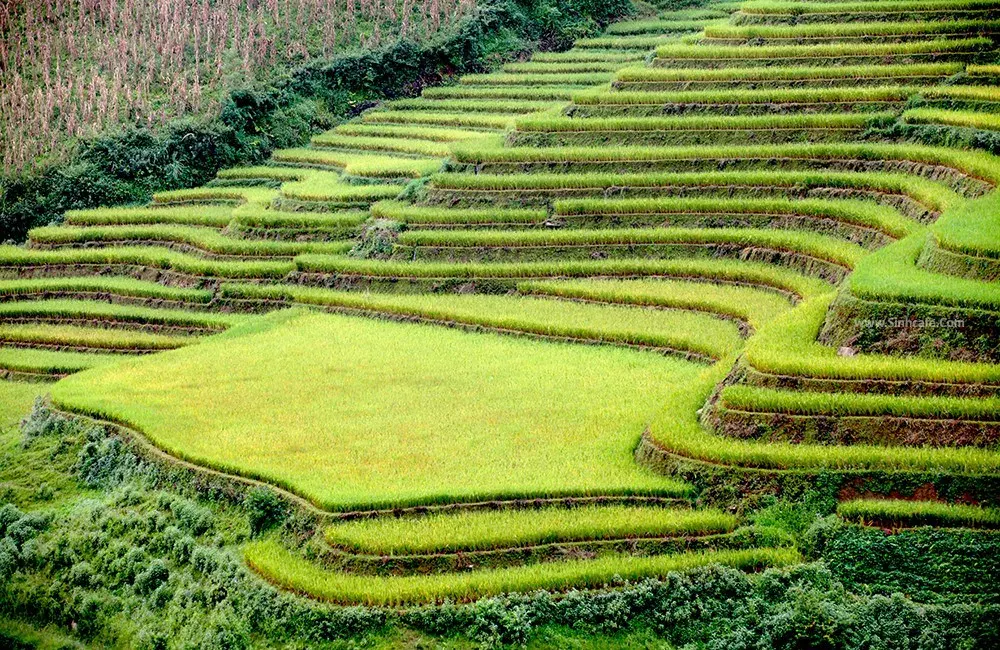
Tucked deep in the mountainous region of Northwest Vietnam, Mu Cang Chai, located in Yen Bai Province, is a captivating destination that attracts nature enthusiasts, adventure seekers, and photography lovers alike. Famous for its spectacular terraced rice fields stretching gracefully from the mountain foothills to the hilltops, this remarkable landscape has been recognized as a National Scenic Site and stands as a proud symbol of the agricultural traditions and cultural heritage of the local H’Mong community.
Renowned beyond Vietnam, Mu Cang Chai has also received international recognition as one of Asia’s most breathtaking destinations for terraced rice fields. From its magnificent mountain scenery and ideal visiting seasons to unforgettable local experiences and practical travel advice, this guide will help you discover the unique charm of Mu Cang Chai.
Why Is Mu Cang Chai Famous for Its Spectacular Rice Terraces?
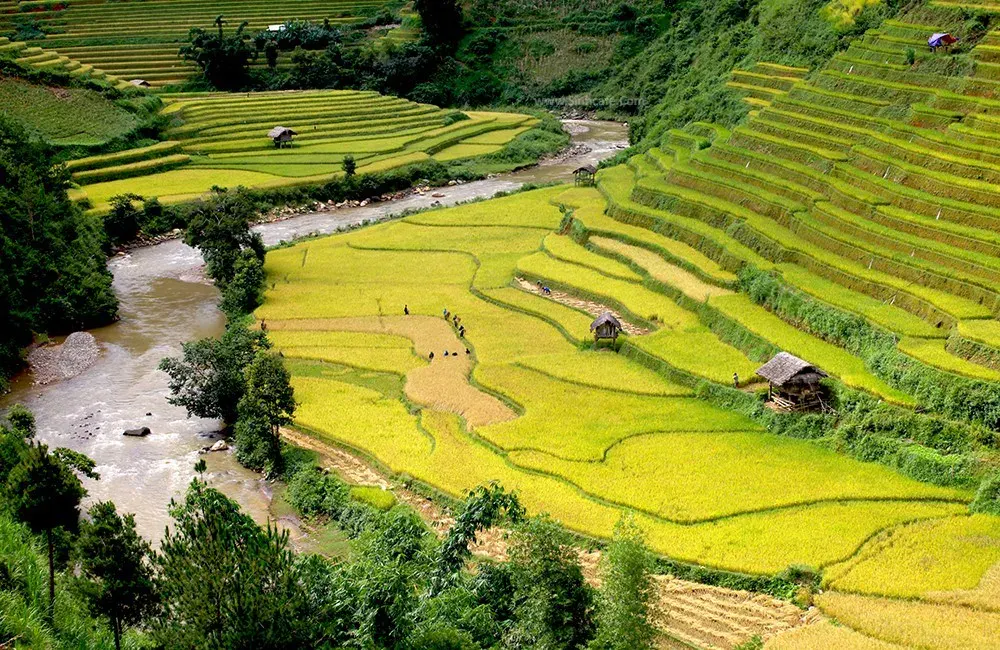
Nestled in the rugged mountains of Northwest Vietnam, Mu Cang Chai is renowned for its breathtaking terraced rice fields, which stretch gracefully across hillsides and mountain slopes. These remarkable landscapes are the result of generations of hard work by the local H’Mong community, who have transformed the mountains into an extraordinary agricultural masterpiece.
Among the most impressive areas are La Pan Tan, Che Cu Nha, and De Xu Phinh, three communes celebrated for their magnificent rice terraces. Recognized as a National Scenic Site, this region represents not only the natural beauty of Vietnam but also the rich cultural heritage and traditional farming practices of its ethnic communities.
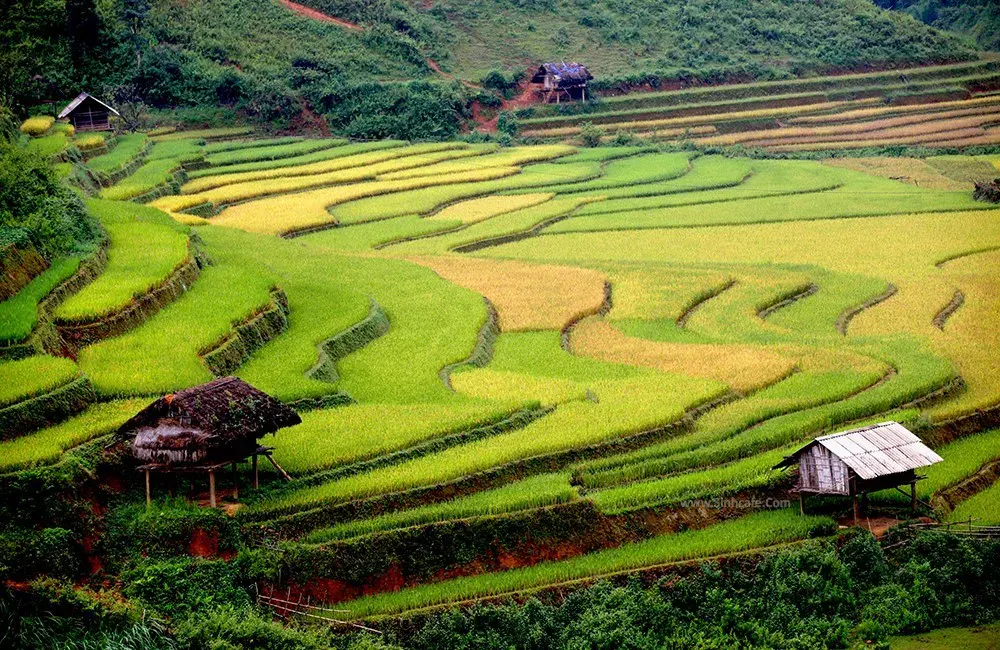
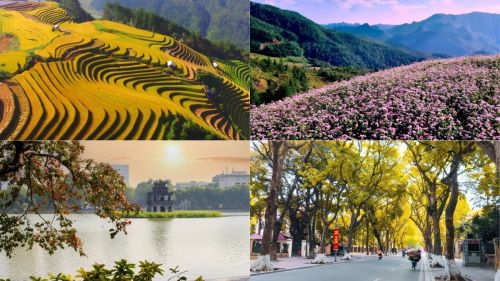
From elevated viewpoints, the terraces resemble enormous staircases carved into the mountains. Depending on the season, they display different shades of beauty – vibrant green during the growing season and brilliant golden yellow when the rice is ready for harvest. These spectacular views make Mu Cang Chai a favorite destination for landscape photographers and nature lovers, particularly those interested in capturing aerial photography.
What makes the rice terraces here particularly remarkable is their impressive scale and steep terrain. Some fields are located at elevations approaching 1,000 meters above sea level. Maintaining these mountain farms requires considerable agricultural knowledge, especially in water management and irrigation – techniques that local H’Mong farmers have developed and passed down through generations.
When Is the Best Time to Visit Mu Cang Chai?
Mu Cang Chai offers different landscapes throughout the year, but two periods stand out for their exceptional scenery: the water season and the golden rice harvest season.
Water Season (May – June)
During this period, local farmers begin preparing their fields for the new rice-growing cycle by directing water into the terraces. The flooded fields reflect the blue sky, drifting clouds, and surrounding mountains, creating beautiful mirror-like landscapes.
The combination of shimmering water, fresh green vegetation, and traditional farming activities makes this season particularly attractive to photographers. Visitors can also observe the daily routines of local farmers as they prepare the land for planting.
Golden Rice Harvest Season (Mid-September – Mid-October)
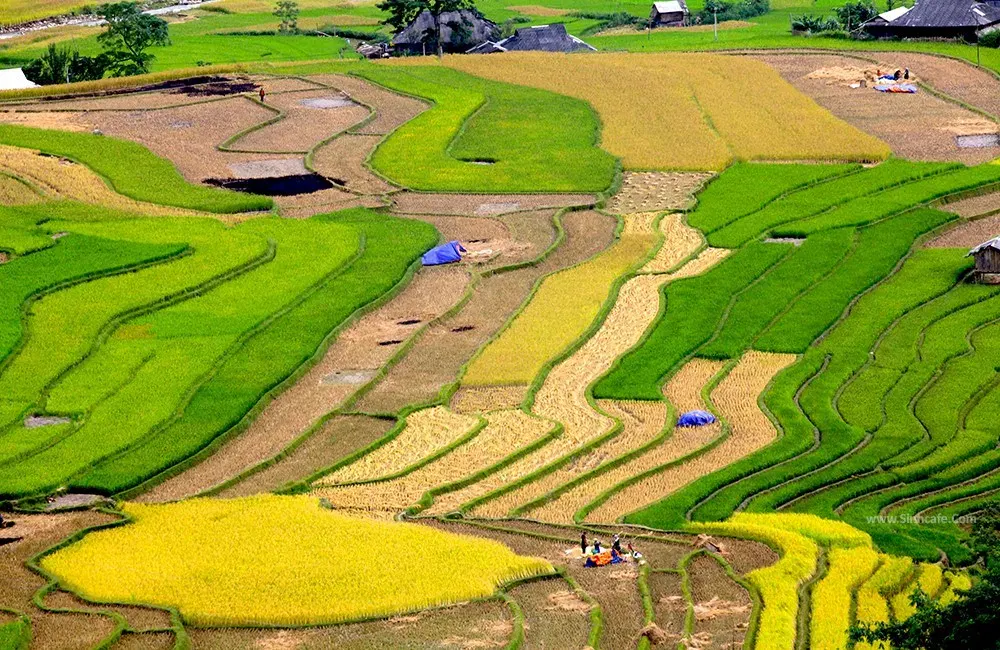
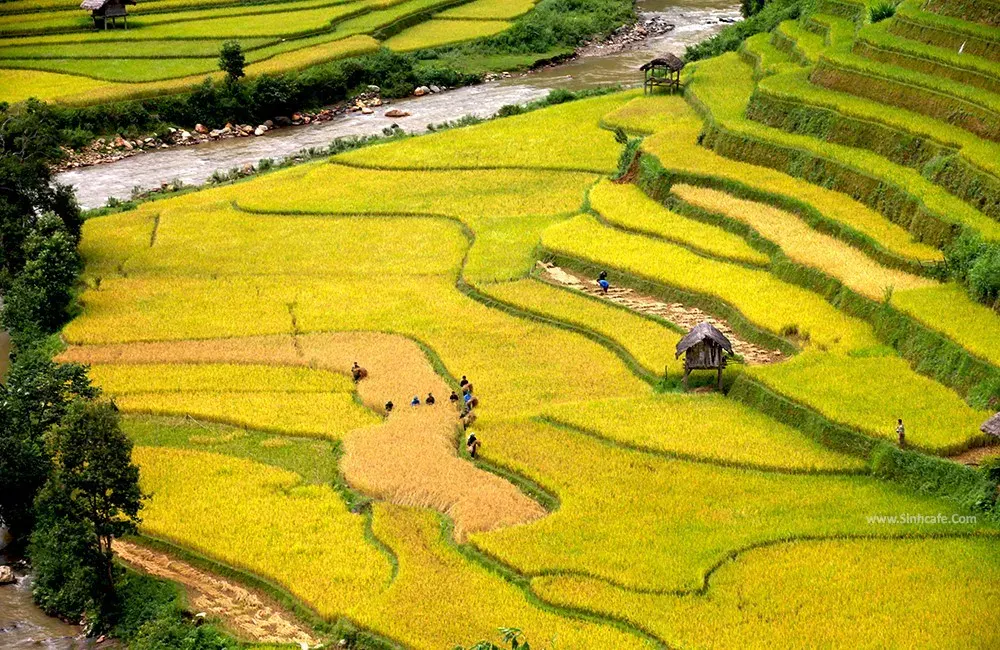
For many travelers, this is the most spectacular time to visit Mu Cang Chai. As the rice ripens, the entire mountainside gradually transforms into a sea of golden terraces, creating one of the most iconic landscapes in Northern Vietnam.
The golden fields, traditional wooden houses, and peaceful mountain villages combine to create an unforgettable atmosphere. This is also the busiest travel period, attracting both domestic and international visitors.
If you plan to visit during harvest season, booking your accommodation and transportation at least three to four weeks in advance is highly recommended, as popular homestays and resorts can fill up quickly.
Winter Season (December – February)
Outside the two main agricultural seasons, Mu Cang Chai offers a quieter and more tranquil experience during winter. Mist often settles over the mountain slopes, creating a mysterious atmosphere characteristic of Vietnam's northwest highlands.
Although the rice terraces are no longer covered in lush green or golden crops, this period is ideal for travelers seeking peaceful surroundings, cooler weather, and fewer crowds.
Top Experiences You Shouldn't Miss in Mu Cang Chai
A journey to Mu Cang Chai is about more than admiring beautiful landscapes. It is also an opportunity to discover local traditions, explore remote mountain villages, and experience the authentic lifestyle of Northwest Vietnam.
1. Enjoy Panoramic Views from Khau Pha Pass
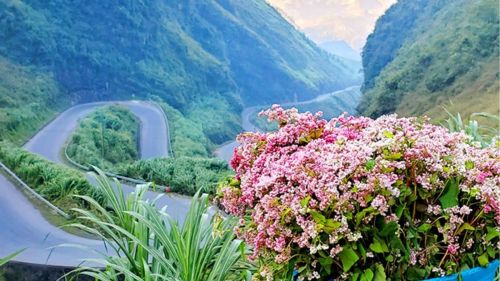
Khau Pha Pass is one of the most impressive mountain passes in Vietnam and a highlight of any journey to Mu Cang Chai. From its winding mountain roads and scenic viewpoints, visitors can admire vast valleys surrounded by spectacular terraced rice fields.
Early morning is particularly magical, when clouds and mist drift gently across the mountain peaks, creating breathtaking photographic opportunities.
2. Experience Paragliding Over the Golden Rice Fields
For adventure enthusiasts, paragliding offers a unique way to appreciate the extraordinary beauty of Mu Cang Chai. Flying above the golden terraces provides an unforgettable perspective of the mountains and valleys below.
The annual "Flying Over the Golden Season" paragliding festival is usually associated with the rice harvest period, attracting pilots and visitors who want to experience the region from the sky.
3. Discover the Traditional Culture of the H’Mong People
Exploring local H’Mong villages is one of the most meaningful experiences in Mu Cang Chai. Visitors can learn about traditional farming methods, observe everyday village life, and discover the customs and cultural practices that have been preserved for generations.
Don't miss the opportunity to admire traditional brocade clothing and sample local specialties, including smoked buffalo meat, young rice (com), and homemade corn wine.
4. Visit the Famous Rice Terrace Viewpoints in La Pan Tan and Che Cu Nha
La Pan Tan and Che Cu Nha are among the best places to appreciate Mu Cang Chai's iconic terraced landscapes. Their distinctive curved patterns create spectacular natural scenery, particularly during the golden harvest season.
One of the most recognizable features is the circular terrace formation often compared to a giant basket of sticky rice, making it a popular photography spot.
5. Trek Through Mountain Villages and Scenic Valleys
For travelers who enjoy outdoor activities, trekking is an excellent way to explore the hidden beauty of Mu Cang Chai.
Walking along small village paths, crossing streams, and passing through terraced fields allows visitors to experience the peaceful rhythm of mountain life. Along the way, you may encounter local farmers working in the fields and discover beautiful landscapes far from the main tourist routes.
What to Eat in Mu Cang Chai: Local Specialties Worth Trying
No trip to Mu Cang Chai is complete without discovering the distinctive cuisine of the Northwest highlands. Influenced by the traditions of local ethnic communities, the region's food is simple, flavorful, and closely connected to its natural surroundings.
Some popular specialties to try include:
-
Five-color Sticky Rice: A traditional dish made with naturally colored glutinous rice, often prepared for special occasions and cultural celebrations.
-
Thang Co: A traditional highland stew, commonly associated with H’Mong cuisine and local markets.
-
Men Men: Steamed cornmeal, a staple food that has long been part of everyday life in H’Mong communities.
-
Grilled River Moss: A distinctive local specialty prepared with fresh river moss and aromatic herbs.
-
Young Rice (Com): A seasonal delicacy made from young green rice, particularly popular during the harvest season.
Another specialty worth sampling is locally produced corn wine, traditionally fermented using natural ingredients and forest leaves. Its distinctive flavor offers a taste of the culinary traditions of Northwest Vietnam.
Where to Stay in Mu Cang Chai
Accommodation in Mu Cang Chai has gradually developed to meet the needs of different types of travelers. Options range from traditional ethnic homestays and small guesthouses to comfortable resorts overlooking the spectacular terraced rice fields.
For those who want to experience local culture more closely, staying in a traditional homestay is an excellent choice. Guests can enjoy the peaceful village atmosphere, interact with local families, and learn more about everyday life in the mountains.
Travelers who prefer greater comfort and scenic surroundings can consider hillside resorts and boutique accommodation in areas such as La Pan Tan. Many properties offer beautiful views of the surrounding valleys and rice terraces, making them particularly appealing during the harvest season.
Practical Travel Tips for Visiting Mu Cang Chai
Located approximately 280 km from Hanoi, Mu Cang Chai can be reached by road in around 6–7 hours, depending on traffic and weather conditions.
The journey commonly passes through Nghia Lo and Tu Le, two destinations that are also worth exploring along the way. Travelers can also enjoy the scenic mountain roads around Khau Pha Pass, one of the highlights of the Northwest Vietnam route.
To make your journey more comfortable and enjoyable, keep these useful tips in mind:
-
Check the weather forecast: Rain is relatively common between June and August, and wet conditions can make mountain roads slippery.
-
Bring suitable clothing: Temperatures in the highlands can be considerably cooler than in Hanoi, especially during winter and early mornings.
-
Prepare for mountain roads: If traveling by private vehicle, make sure the vehicle is in good condition, particularly the brakes and engine.
-
Book early during harvest season: September and October are popular months, so arranging accommodation and transportation in advance is advisable.
-
Bring comfortable walking shoes: Some of the best viewpoints and village paths involve walking on uneven or steep terrain.
-
Respect local customs: When visiting ethnic villages, be mindful of local traditions and always ask permission before photographing residents.
Dreaming of exploring the magnificent mountains, golden rice terraces, and authentic ethnic cultures of Northern Vietnam?
Let Sinh Cafe help you create an unforgettable journey with thoughtfully arranged itineraries and local travel experiences.
Contact us today to start planning your Vietnam adventure!
Share via




Related articles

Discover the Natural Wonder of Ganh Da Dia – Vietnam’s Hidden Gem in Phu Yen
Blog | 22/08/2025

Exploring the best time to visit Ha Long Bay
Blog | 30/12/2025
Phát Diệm cathedral: Discover the Majestic Phat Diem Stone Cathedral in Ninh Binh
Blog | 30/12/2025
Nha Trang Cathedral: The Gothic Soul Anchored in the Heart of the Coastal Pearl
Blog | 30/12/2025



There are no reviews yet