


Vietnam Travel Locations: Where to Go in the North, Central and South of Vietnam
Choosing where to go in Vietnam can be overwhelming. This guide compares the best Vietnam travel locations across the north, central and south to help you build an unforgettable itinerary.
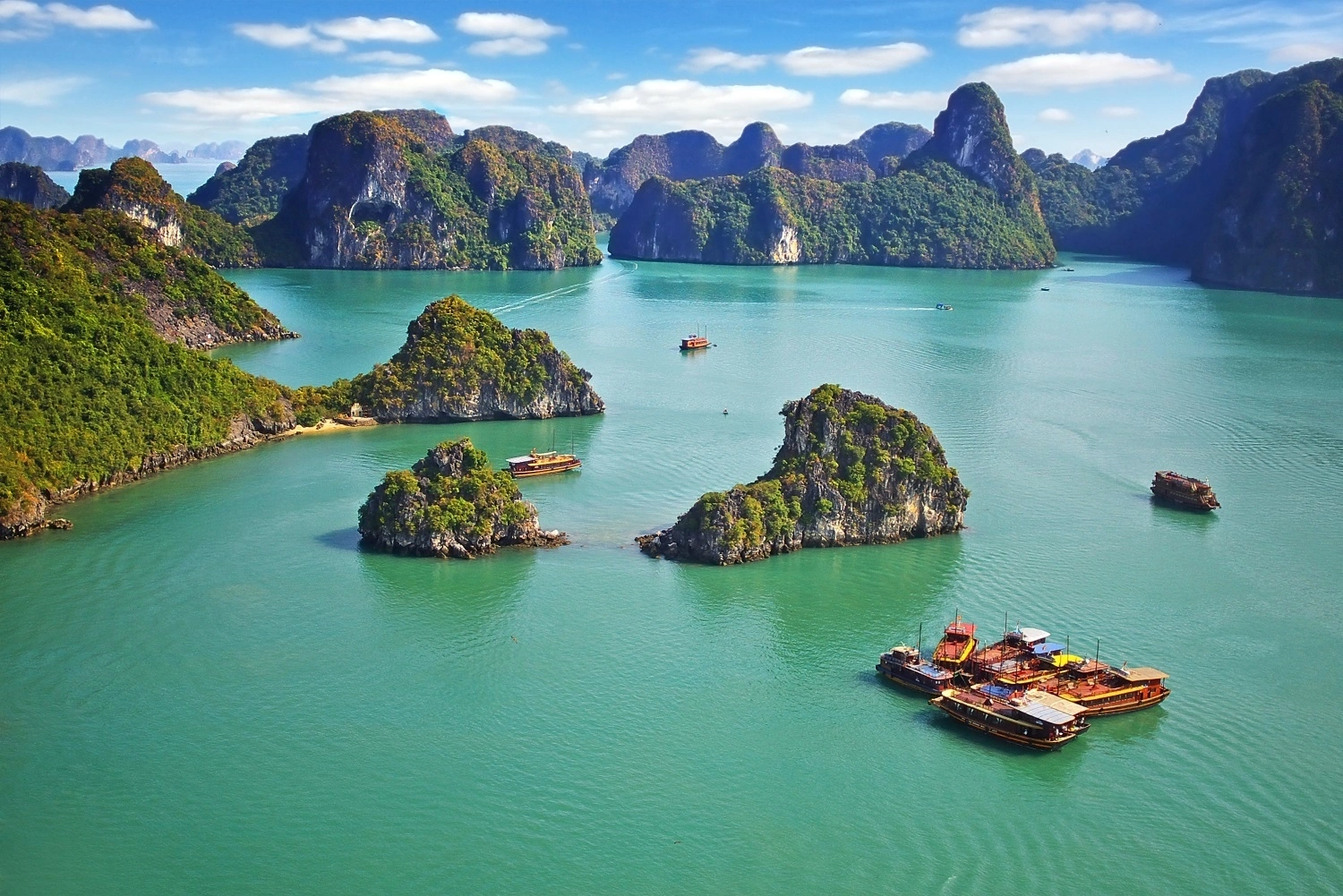
Vietnam offers an incredible variety of destinations, from misty mountains and UNESCO heritage sites to tropical islands and vibrant cities. Rather than trying to visit everything, the key is choosing the places that best match your interests and travel style. This guide explores the best Vietnam travel locations in the North, Central and South, helping you decide where to go and how to plan a rewarding itinerary.
The Best Vietnam Travel Locations by Region
Rather than thinking of Vietnam as one destination, it's easier to see it as three distinct travel regions. Each has its own landscapes, climate, cuisine and pace of life.
|
Region |
Best For |
Must-Visit Locations |
|
North Vietnam |
Nature, mountains, culture |
Hanoi, Ha Long Bay, Ninh Binh, Sapa |
|
Central Vietnam |
Heritage, beaches, local food |
Hue, Da Nang, Hoi An |
|
South Vietnam |
Modern cities, river life, tropical islands |
Ho Chi Minh City, Mekong Delta, Phu Quoc |
If this is your first visit, don't try to tick every destination off your list. Instead, choose the region that best matches your interests and the amount of time you have available.
How Long to Spend and How to Get There
Travel times in Vietnam can be longer than expected, so choosing the right transport is important when planning your itinerary.
|
Destination |
Recommended Stay |
How to Get There |
|
Hanoi |
2-3 days |
Fly to Noi Bai Airport, then take a taxi, shuttle or public bus to the city center. |
|
Ha Long Bay |
1-2 days |
Travel from Hanoi by cruise shuttle or private car in around two hours. |
|
Sapa |
2-3 days |
Take a 5-6-hour bus from Hanoi or an overnight train to Lao Cai followed by a mountain transfer. |
|
Hue |
1-2 days |
Fly to Phu Bai Airport, take the train or travel by car from Da Nang. |
|
Da Nang |
2-3 days |
Easily reached by direct flight, train or long-distance bus. |
|
Hoi An |
2-3 days |
Fly to Da Nang, then continue by car or shuttle for around 45-60 minutes. |
|
Ho Chi Minh City |
2-3 days |
Arrive by international or domestic flight, train or long-distance bus. |
|
Mekong Delta |
1-2 days |
Travel by bus, private car or guided tour from Ho Chi Minh City. |
|
Phu Quoc |
3-4 days |
Take a direct flight or a ferry from Ha Tien or Rach Gia. |
North Vietnam: Mountains, Heritage and Natural Wonders
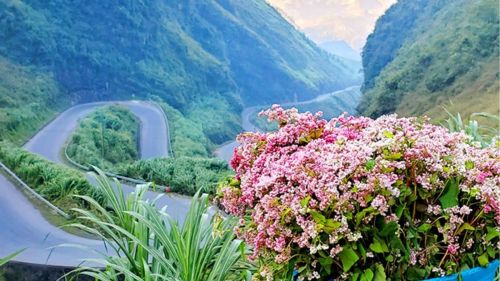
For many travelers, North Vietnam feels like the country's cultural heart. Ancient temples, centuries-old neighborhoods, dramatic mountain landscapes and UNESCO World Heritage Sites are all within relatively easy reach of one another. If you enjoy history, photography, hiking or authentic local culture, this is often the most rewarding region to explore.
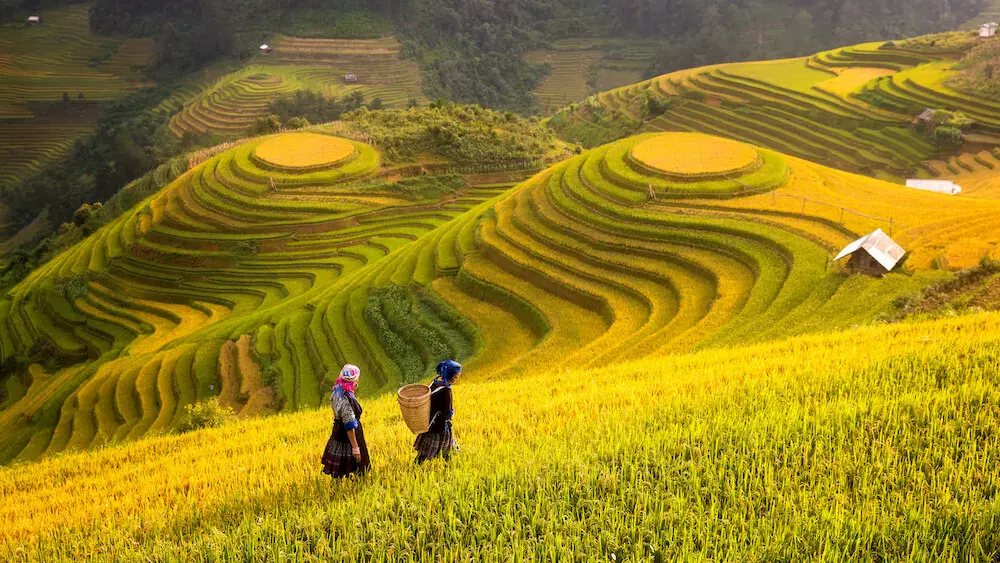
North Vietnam is known for dramatic mountain landscapes, rich cultural heritage and some of the country's most iconic natural wonders (Source: Vietjet Air)
Hanoi
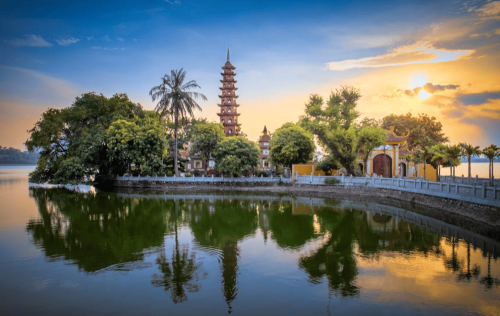
Vietnam's capital is rarely described as the country's most beautiful city, yet it's often remembered as one of its most fascinating.Instead of modern skylines, Hanoi offers tree-lined boulevards, French colonial architecture, bustling markets and an Old Quarter where everyday life unfolds in remarkably close quarters. Street vendors prepare breakfast beside ancient temples, scooters weave through narrow streets and tiny coffee shops spill onto the sidewalks.
Many first-time visitors underestimate how much walking Hanoi deserves. While famous landmarks such as Hoan Kiem Lake and the Temple of Literature are easy to find, some of the city's best experiences happen away from the major attractions.
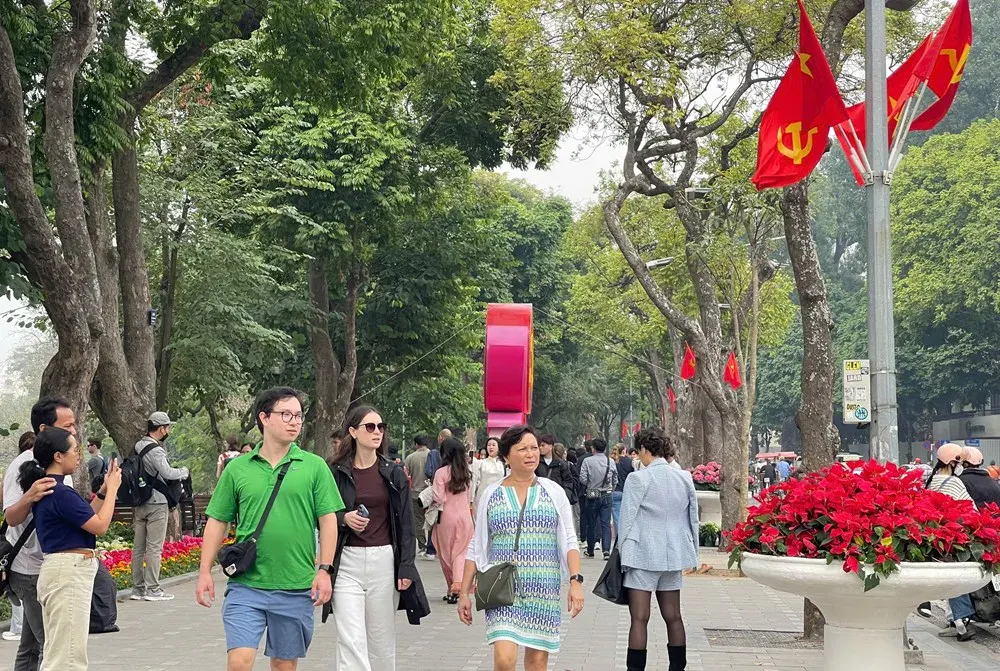
Exploring Hanoi on foot is one of the best ways to experience the city's everyday life (Source: Bo Van Hoa Newspaper)
Spend an hour wandering without a fixed destination, stop for an egg coffee at a local café or explore one of the city's traditional markets. These slower moments often leave a stronger impression than simply checking landmarks off a list.
Local tip: Hanoi's Old Quarter is most enjoyable early in the morning before traffic builds, while weekends offer a completely different atmosphere as several streets become pedestrian-only.
Ha Long Bay

An overnight cruise offers the best way to experience the peaceful beauty of Ha Long Bay beyond the daytime crowds (Source: Thanh Nien newspaper)
Few places define Vietnam's natural beauty as clearly as Ha Long Bay.Thousands of limestone islands rise from emerald-green waters, creating one of Southeast Asia's most recognizable landscapes. Although photographs are impressive, they rarely capture the scale or peaceful atmosphere of the bay, especially during sunrise or sunset.
Many visitors book a day trip from Hanoi, but staying overnight on a cruise provides a very different experience. Once the daytime boats leave, the bay becomes noticeably quieter, allowing you to enjoy the scenery without feeling rushed. Another common misconception is that every cruise offers the same experience. In reality, routes, activities and overnight locations vary considerably, making it worthwhile to compare itineraries before booking.
Local tip: If your schedule allows, choose a two-day, one-night cruise instead of a day trip. The extra time transforms Ha Long Bay from a sightseeing stop into one of the highlights of your Vietnam journey.
Read more: Hanoi or Ha Long Bay
Sapa
High in Vietnam's northern mountains, Sapa offers a completely different side of the country.Instead of busy cities, you'll find terraced rice fields, mountain valleys and ethnic minority villages where traditional customs remain an important part of daily life. The scenery changes dramatically throughout the year. Green rice terraces dominate summer, golden fields appear before harvest in autumn and mist often rolls across the mountains during winter.
Many visitors come for trekking, but you don't need to complete a demanding hike to enjoy Sapa. Short village walks, local markets and mountain viewpoints provide equally memorable experiences for travelers with limited time. One thing worth remembering is that weather in Sapa changes quickly. Clear mornings can become foggy within hours, so flexibility is often part of the experience.
Local tip: Spend at least two nights in Sapa if possible. This allows time for one full day of trekking without feeling rushed by overnight train or bus schedules.
North Vietnam is best suited to travelers interested in history, mountain scenery, outdoor activities and traditional local culture.
Read more: North Vietnam Itinerary 10 Days
Central Vietnam: Heritage, Beaches and Local Culture
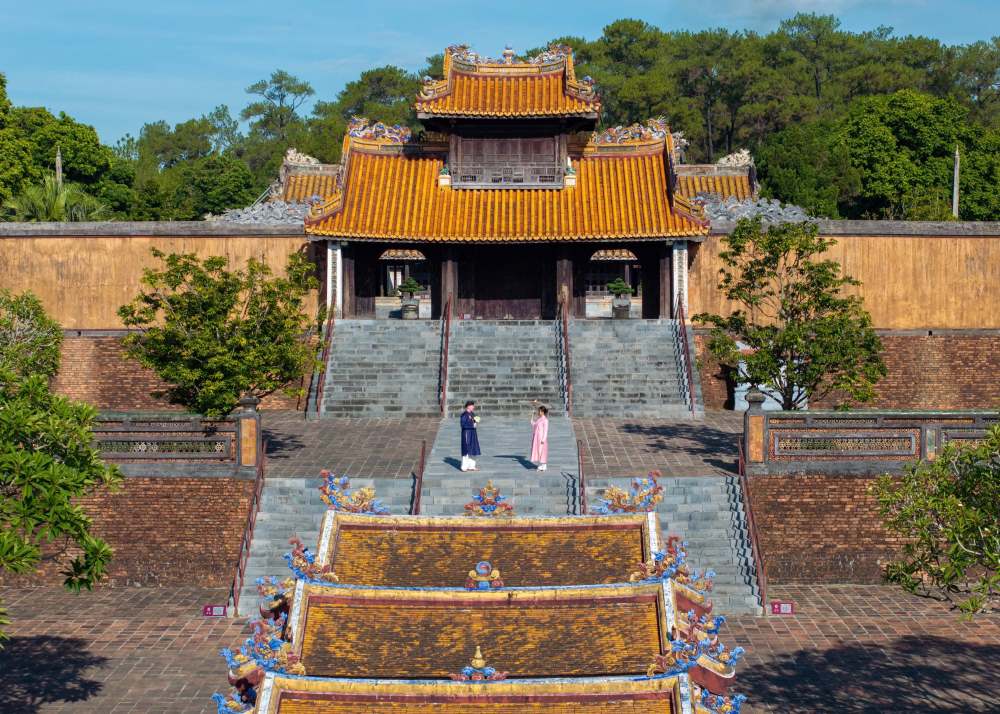
Central Vietnam combines imperial heritage, beautiful beaches and charming historic towns within a short travel distance (Source: Lao Dong Newspaper)
If North Vietnam is where many travelers discover the country's history and dramatic landscapes, Central Vietnam is where culture, cuisine and relaxation come together. Distances between destinations are relatively short, making it easy to combine Hue, Da Nang and Hoi An into one itinerary. Although each city has its own character, together they create one of the most balanced travel experiences in Vietnam.
Rather than rushing through all three in two or three days, consider spending at least five to six days in the region. This allows enough time to appreciate each destination without constantly packing and unpacking.
Hue
Hue is often described as Vietnam's imperial city, but reducing it to its historical monuments doesn't quite do it justice. Yes, the Imperial City, royal tombs and ancient pagodas are impressive, but what many travelers remember most is the city's slower rhythm. Compared with Hanoi or Ho Chi Minh City, Hue feels quieter and more reflective. Life unfolds along the Perfume River, local cafés fill with students in the afternoon and traditional recipes passed down through generations continue to shape the city's food culture.Many visitors arrive in the morning, visit the Citadel, have lunch and leave for Hoi An the same day. While this covers the highlights, it misses much of what makes Hue special.
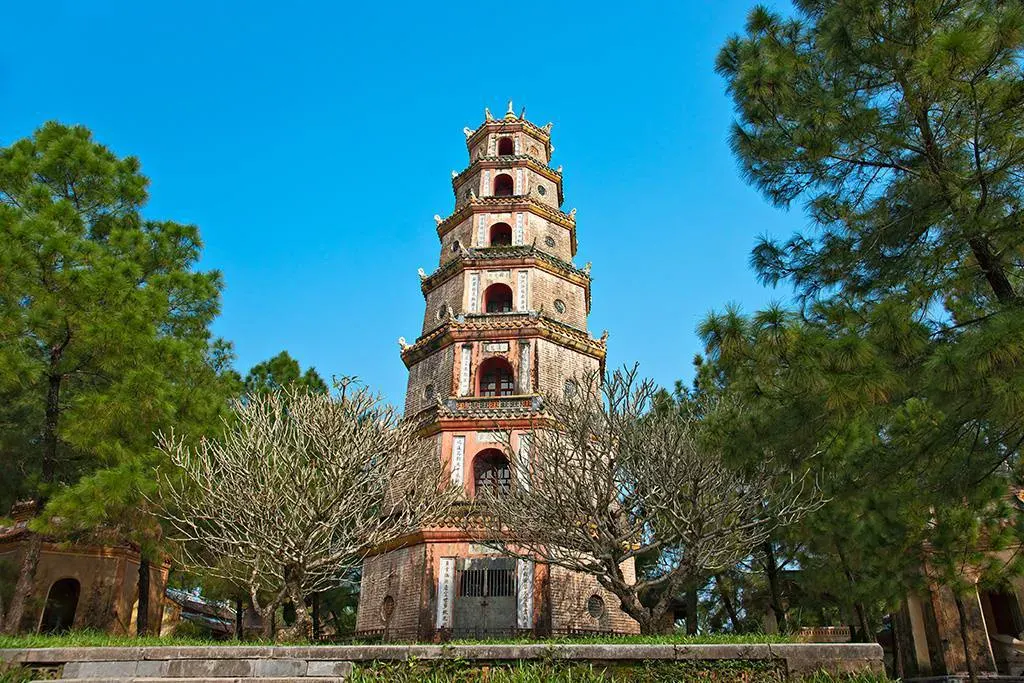
Thien Mu Pagoda is one of Hue's most iconic landmarks, overlooking the peaceful Perfume River and reflecting the city's rich spiritual heritage (Source: Huengaynay Newspaper)
Staying overnight gives you time to experience the city after the day-trip crowds disappear. Walking beside the Perfume River in the evening or enjoying a relaxed dinner at a family-run restaurant often becomes just as memorable as visiting the Imperial City itself.
Local tip: If you only have time to visit one royal tomb, don't choose based on popularity alone. Minh Mang is ideal for peaceful gardens and traditional architecture, Khai Dinh is famous for its elaborate interiors, while Tu Duc offers a quieter, more romantic setting.
Read more: Hue Vietnam tours: Imperial Heritage, Royal Tombs and Local Food Experiences
Da Nang
Da Nang has transformed dramatically over the past decade. Once viewed mainly as a transit city between Hue and Hoi An, it has become one of Vietnam's most popular destinations in its own right.
Its biggest advantage is balance. Within a single day, you can relax on My Khe Beach, visit Marble Mountains, explore museums, enjoy fresh seafood and finish the evening at one of the city's riverside cafés.
Unlike many beach destinations in Southeast Asia, Da Nang is also remarkably clean, easy to navigate and well suited to independent travelers.The city works particularly well as a base because many nearby attractions are within an hour's drive, including Ba Na Hills, Son Tra Peninsula and Hoi An.
Local tip: If your goal is a beach holiday, avoid filling every day with sightseeing. One of Da Nang's greatest strengths is simply slowing down and enjoying the coastline, especially in the early morning when locals gather for swimming, exercise and breakfast by the sea.
Hoi An
Few places in Vietnam leave as lasting an impression as Hoi An. Its lantern-lined streets, yellow heritage buildings and riverside cafés have made it one of the country's most photographed destinations, yet there's much more to Hoi An than its postcard appearance.
The Ancient Town is relatively compact, making it easy to explore on foot. However, some of the most enjoyable experiences lie just beyond the historic center. Cycling through rice fields, joining a cooking class or visiting nearby fishing villages offers a glimpse of local life that many visitors miss.
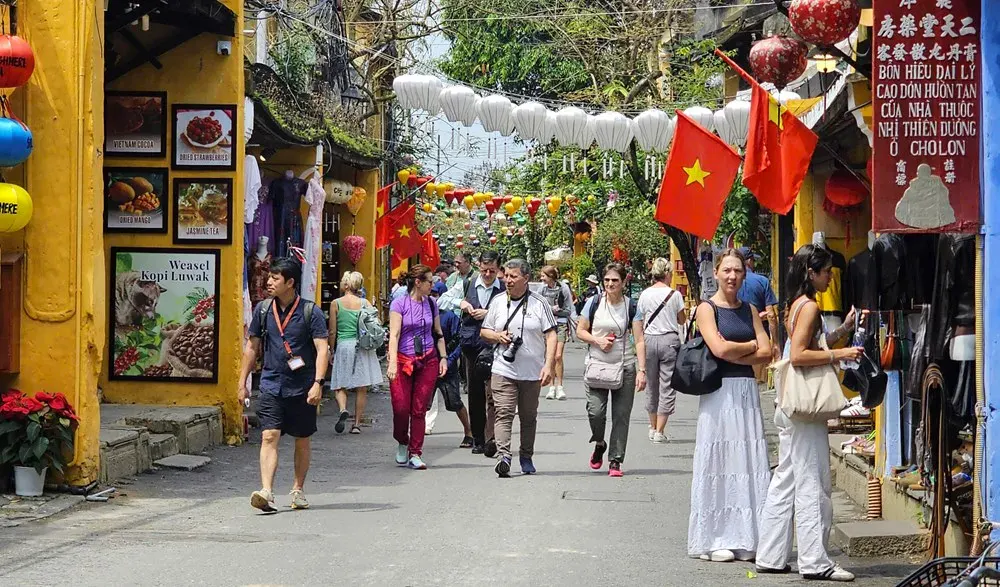
Hoi An is at its most peaceful in the early morning, before the streets fill with visitors (Source: Da Nang Newspaper)
Hoi An also changes character throughout the day. Early mornings are surprisingly peaceful, allowing you to wander the old streets before the crowds arrive. During the afternoon, cafés and tailor shops become busy, while evenings bring the famous lanterns that attract visitors from around the world.
Local tip: If you're interested in photography, visit the Ancient Town shortly after sunrise. You'll enjoy softer light, quieter streets and a more authentic atmosphere than during the evening peak.
Central Vietnam is ideal for couples, families and travelers who want to combine heritage, beaches and local cuisine within relatively short travel distances.
South Vietnam: Modern Cities, River Life and Tropical Islands
South Vietnam feels noticeably different from the rest of the country. The pace is faster, the climate is warmer year-round and daily life revolves around energetic cities, fertile river systems and tropical islands. While history remains an important part of the experience, South Vietnam is often chosen for its vibrant street food scene, modern lifestyle and easy access to beaches.

South Vietnam blends vibrant city life, river landscapes and tropical island escapes (Source: Bao Chinh Phu Newspaper)
Ho Chi Minh City
Ho Chi Minh City is Vietnam's largest city and its economic center, but it offers far more than modern skyscrapers. Historic landmarks such as the Independence Palace, Notre Dame Cathedral and the Central Post Office sit alongside rooftop bars, bustling markets and hidden alleyways filled with local eateries.
Unlike Hanoi, which often feels traditional, Ho Chi Minh City is constantly evolving. New cafés, restaurants and creative spaces appear every year, giving repeat visitors something new to discover. Many travelers spend only two days here before heading elsewhere, but three days provides a much better introduction to the city's food, history and neighborhoods.
Local tip: Ben Thanh Market is worth visiting, but don't assume it offers the city's best food. Some of Ho Chi Minh City's most memorable meals are found in small local restaurants tucked away in residential districts.
Mekong Delta
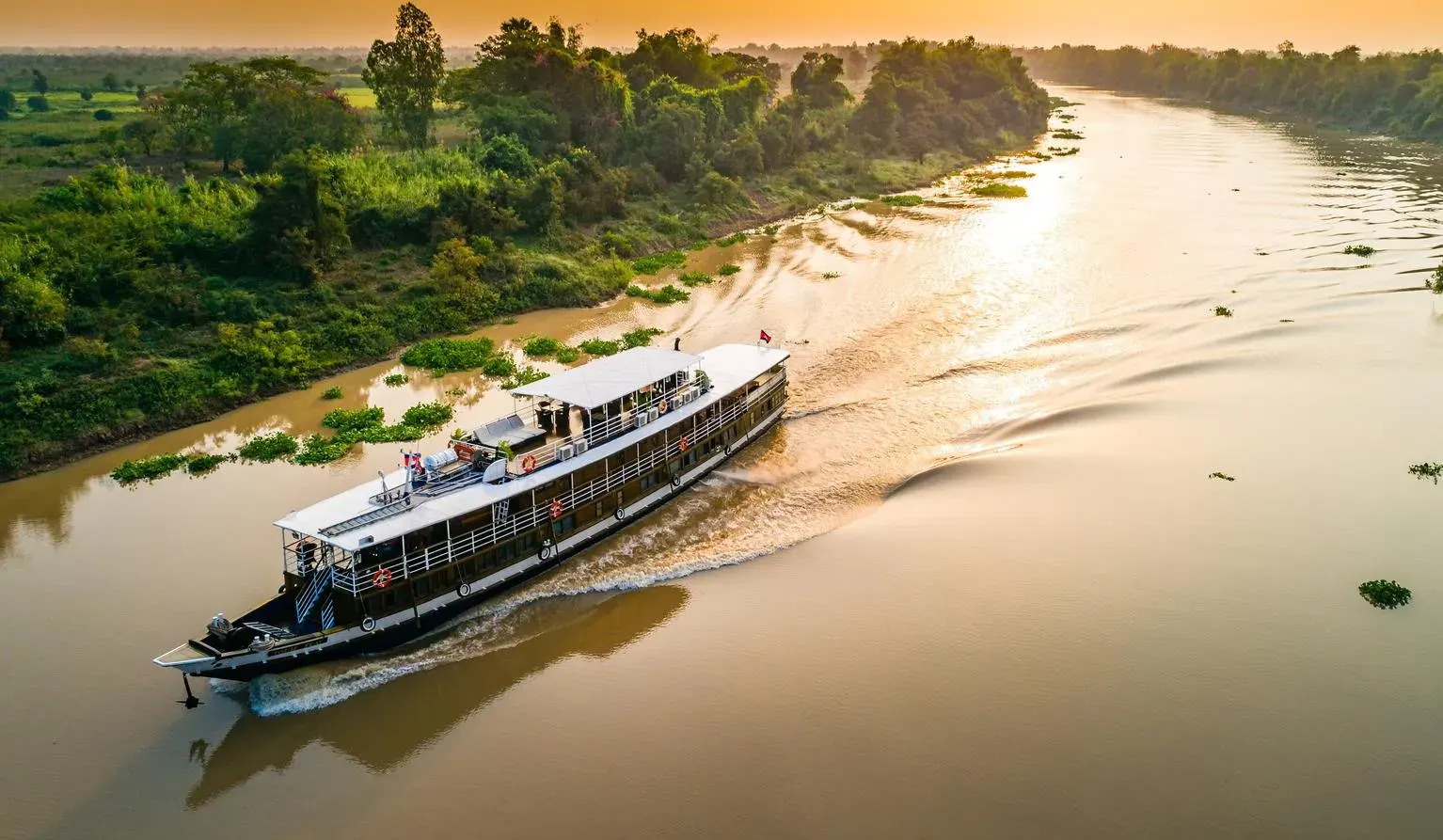
Smaller canals offer a quieter and more authentic glimpse of daily life in the Mekong Delta (Source: Lao Dong Newspaper)
Just a few hours from Ho Chi Minh City, the Mekong Delta presents a completely different landscape.Life here revolves around rivers, canals and fertile farmland rather than busy roads. Traditional villages, fruit orchards and floating markets provide a fascinating contrast to Vietnam's major cities.
Although day trips are popular, staying overnight offers a much deeper experience. Early mornings reveal floating markets at their busiest, while evenings are peaceful enough to enjoy riverside homestays and local hospitality.
Local tip: Choose a tour that visits smaller canals by sampan instead of spending the entire day on large tourist boats. The quieter waterways provide a much better sense of everyday life in the Delta.
Phu Quoc
For travelers looking to end their Vietnam journey with a beach holiday, Phu Quoc is often the top choice.The island combines long sandy beaches, clear water, seafood restaurants and luxury resorts with opportunities for snorkeling, island hopping and sunset cruises.
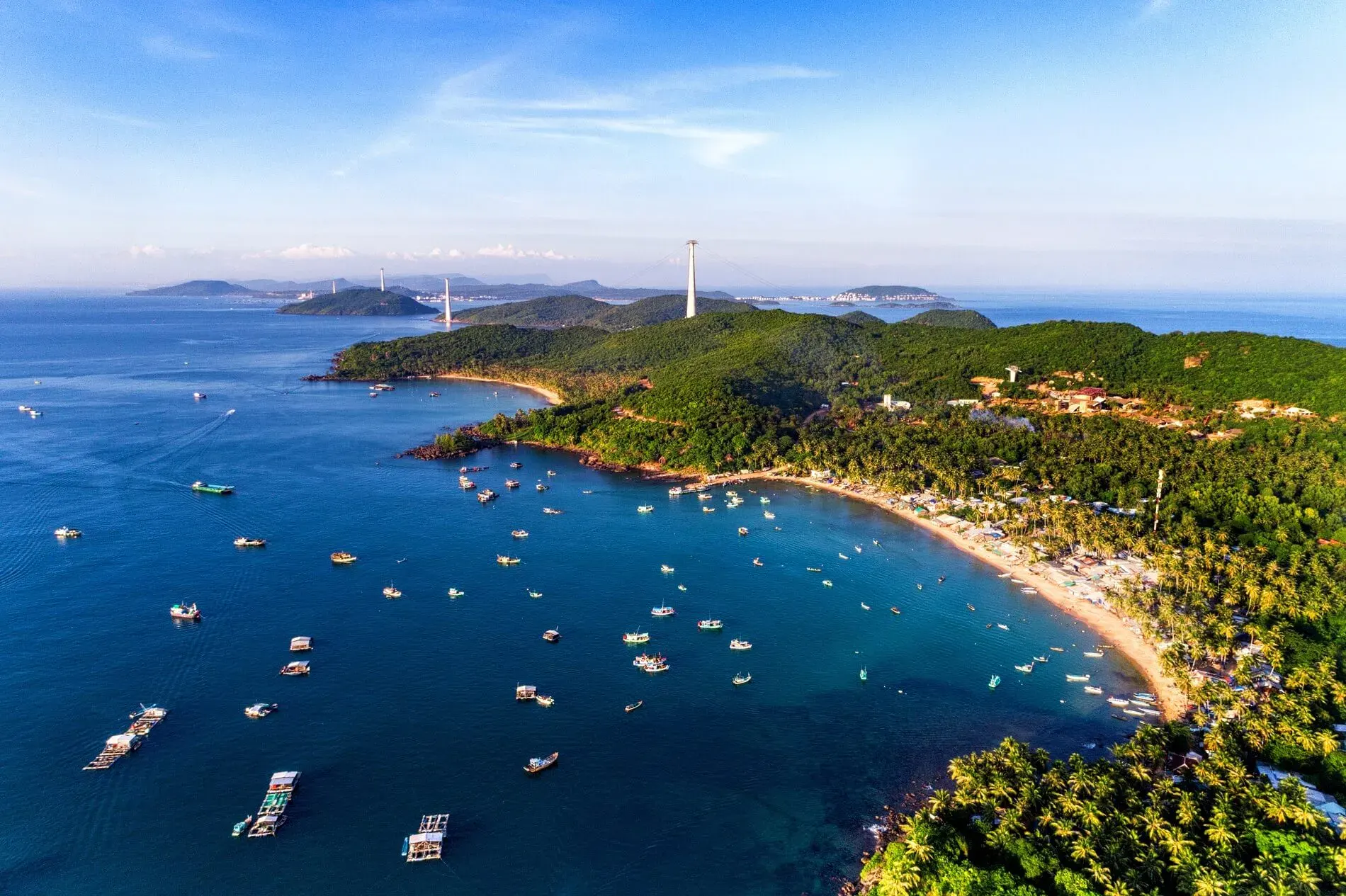
Phu Quoc combines beautiful beaches, fresh seafood and island adventures, making it one of Vietnam's most popular coastal escapes (Source: VNExpress)
That said, not every part of the island offers the same experience. The western coast is famous for sunsets and developed beaches, while the eastern side remains quieter and less crowded.
Local tip: The dry season generally provides the best beach conditions, but visiting just before or after the busiest holiday periods often means fewer crowds and better hotel rates.
South Vietnam suits travelers looking for energetic cities, street food, river experiences and tropical beach holidays.
One thing becomes clear after exploring all three regions: there is no single "best" place to visit in Vietnam. Each region offers a different perspective on the country, and the right choice depends entirely on your travel style, interests and the time you have available.
How to Choose the Right Vietnam Travel Locations
One of the best things about traveling in Vietnam is that there isn't a single "must-follow" itinerary. The country offers something for almost every type of traveler, whether you're interested in mountain scenery, historic cities, tropical beaches or world-famous street food. The recommendations below can help you narrow down your options.
|
If you want to... |
Recommended Destinations |
|
Experience Vietnam's history and culture |
Hanoi, Hue |
|
See spectacular natural landscapes |
Ha Long Bay, Ninh Binh, Sapa |
|
Relax on beautiful beaches |
Da Nang, Phu Quoc |
|
Explore charming historic towns |
Hoi An, Hue |
|
Discover Vietnam's best local food |
Hanoi, Hue, Ho Chi Minh City |
|
Enjoy outdoor adventures |
Sapa, Ha Long Bay, Phong Nha |
|
Travel with children |
Da Nang, Hoi An, Phu Quoc |
|
Plan a honeymoon |
Hoi An, Phu Quoc, Ha Long Bay Cruise |
Avoid combining too many distant destinations in one week, as a slower regional itinerary usually provides a more enjoyable experience.
Suggested Vietnam Itineraries Based on Your Travel Time
Your available time has a huge impact on where you should travel. Vietnam may look compact on a map, but traveling between regions takes longer than many visitors expect. Rather than trying to cover the entire country, choose an itinerary that gives you enough time to enjoy each destination at a comfortable pace.
|
Trip Length |
Recommended Itinerary |
|
5-7 Days |
Explore one region, such as Hanoi - Ha Long Bay - Ninh Binh or Da Nang - Hoi An - Hue |
|
8-10 Days |
Combine two regions, for example North + Central or Central + South |
|
12-14 Days |
Discover North, Central and South Vietnam without feeling rushed |
5 to 7 Days
If this is your first visit and you only have one week, resist the temptation to travel from Hanoi all the way to Ho Chi Minh City.Instead, focus on one region. For example:
- North Vietnam: Hanoi, Ha Long Bay and Ninh Binh combine culture, nature and UNESCO landscapes.
- Central Vietnam: Hue, Da Nang and Hoi An offer history, beaches and outstanding local cuisine.
Both options provide a balanced introduction to Vietnam without spending too much time in transit.
8 to 10 Days
With a little more time, combining two regions becomes much more realistic. Popular combinations include:
- Hanoi - Ha Long Bay - Ninh Binh - Hue
- Da Nang - Hoi An - Ho Chi Minh City
- Hanoi - Ha Long Bay - Hoi An
Domestic flights make these routes relatively convenient while still leaving enough time for sightseeing.
12 to 14 Days
Two weeks is widely considered the ideal length for a first trip to Vietnam. It allows you to experience the country's diversity, from the cultural heritage of the north to the beaches of Central Vietnam and the vibrant atmosphere of the south. If you prefer not to organize every flight, hotel and transfer yourself, a guided itinerary can simplify the planning process while ensuring a logical route between destinations.
Frequently Asked Questions
What are the must-visit places in Vietnam?
→ Most first-time travelers include Hanoi, Ha Long Bay, Ninh Binh, Hue, Hoi An, Da Nang, Ho Chi Minh City and the Mekong Delta. If time allows, Phu Quoc is also worth considering for a beach escape.
Can I visit all of Vietnam in two weeks?
→ Yes. Two weeks is enough to see the country's highlights, especially if you combine domestic flights with a well-planned itinerary. Avoid trying to visit too many destinations in a short time.
Which Vietnam destinations are best for families?
→ Da Nang, Hoi An and Phu Quoc are excellent choices thanks to their beaches, family-friendly attractions and relaxed atmosphere. They also have plenty of accommodation suitable for families.
When is the best time to visit Vietnam?
→ The best time depends on the region you plan to visit, as weather varies across the country. Spring (March to April) and autumn (September to November) are generally comfortable for visiting many destinations.
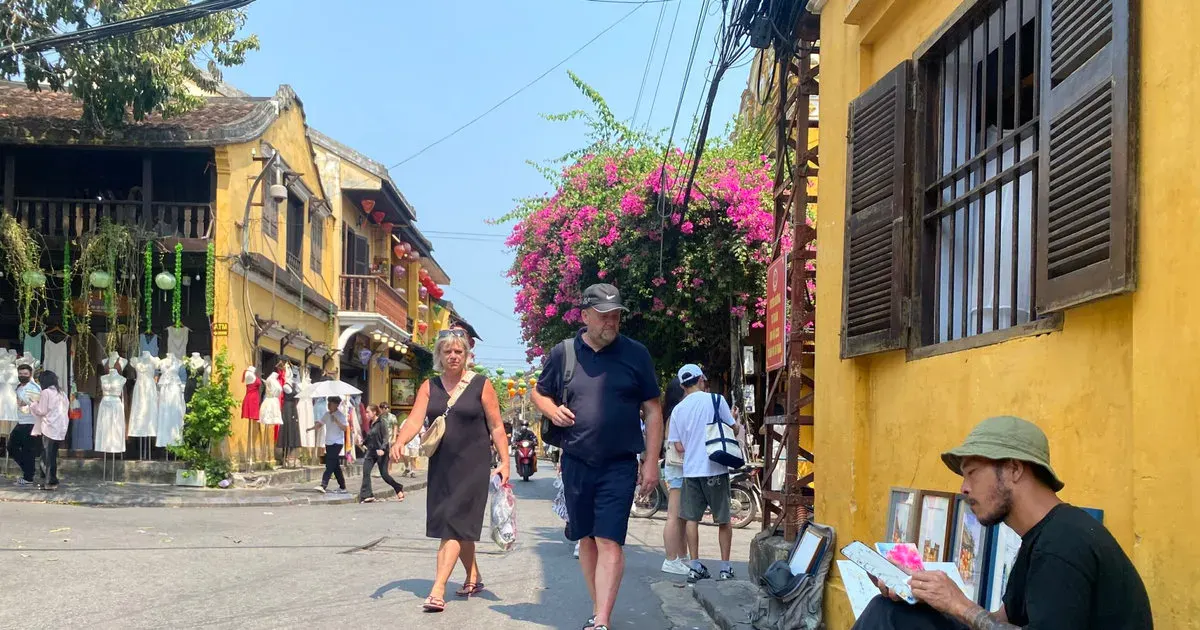
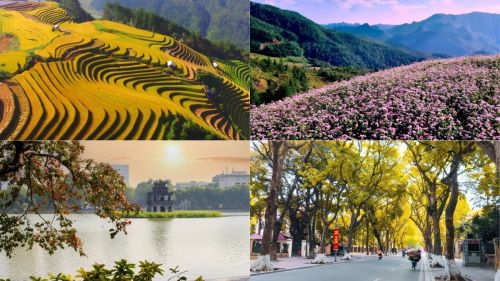
Vietnam is home to diverse travel destinations (Source: Van Hoa Newspaper)
Choosing the best Vietnam travel locations isn't about finding a single destination that has everything. It's about creating a journey that matches your interests, travel style and available time. Explore Sinh Cafe’s Vietnam Destination guide or browse its Open Tours to find a well-planned itinerary connecting the country’s most memorable destinations.
Share via




Related articles
What First Time Southeast Asian Travelers Should Know Before Visiting Vietnam
Posts | 11/06/2026

Co Tien Mountain: A Scenic Hike with Stunning Views in Nha Trang
Blog | 24/03/2026
Best Ha Long bay restaurant guide: Top places to eat in Ha Long Bay
Posts | 25/03/2026

Do Theatre: A unique Cultural Show bringing Vietnamese Art to the World
Blog | 25/03/2026





There are no reviews yet