


Visit Vietnam in January: Weather, Tet Festival & Best Destinations
Visit Vietnam in January and experience Tet, cool northern mountains and warm southern escapes. Find the best destinations, weather and tips for your trip.
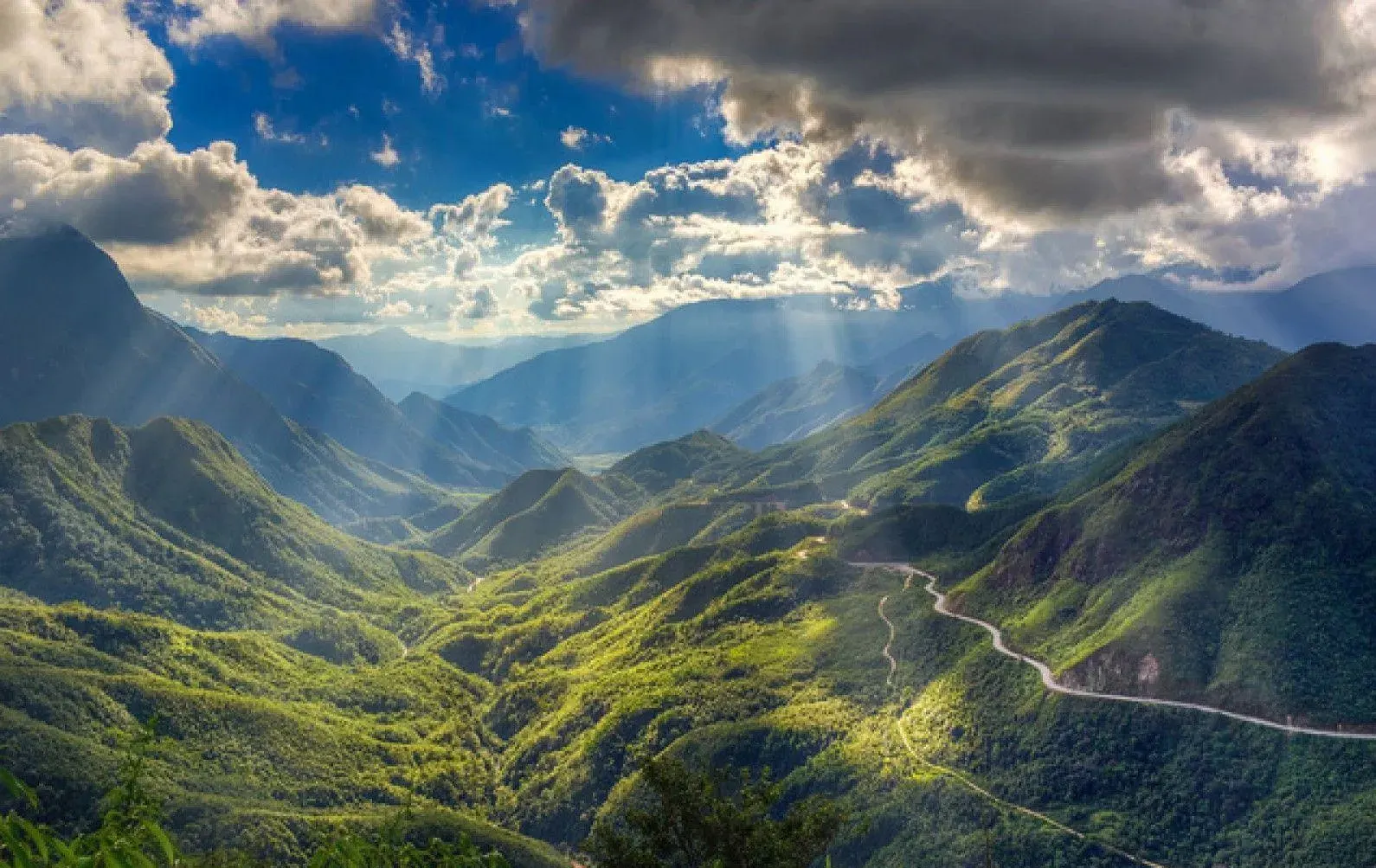
January is one of the best months to visit Vietnam, but the experience varies a lot from north to south. The north is cool and often misty, central Vietnam is milder with some rain, while the south is warm and generally drier. Tet can also fall in or around January, bringing a very different rhythm to travel, so this guide covers the weather, Tet, the best destinations and what to know before you go.
Vietnam in January is not the same everywhere
When you visit Vietnam in January, the weather changes noticeably as you travel from north to south. This affects what to pack, where to go and which activities are most suitable for your trip.
|
Region |
Key Destinations |
Avg. Temp. |
What January Feels Like |
Best For |
|
North |
Hanoi, Ha Long Bay, Sapa, Ha Giang |
15 - 20°C |
Cool, cloudy and sometimes misty; colder in the mountains |
Tet atmosphere, sightseeing, mountain trips |
|
Central |
Hue, Da Nang, Hoi An |
20 - 24°C |
Mild but unpredictable, with some rainy days |
Culture, food and heritage |
|
South |
Ho Chi Minh City, Mekong Delta, Phu Quoc |
25 - 30°C |
Warm, dry and generally sunny |
Beaches, boat trips and outdoor activities |
Tet can change your Vietnam trip completely
Tet is one of the biggest factors to consider when choosing when to visit Vietnam in January. The days before Tet are lively, with flower markets, shopping and New Year decorations, while the main holiday is much quieter as families return home to celebrate together.
Before and during Tet, Vietnam feels very different
The festive atmosphere starts building several days before Tet. Flower markets fill with peach blossoms, kumquat trees and other New Year decorations, while families shop for food and prepare their homes. Streets and residential areas become noticeably more colorful.
This period can be a good compromise for travelers who want to experience Tet in Vietnam without dealing with the full effect of the holiday closures. Restaurants, cafés, shops and most tourist services are generally still operating, although some places become increasingly busy as Tet approaches.
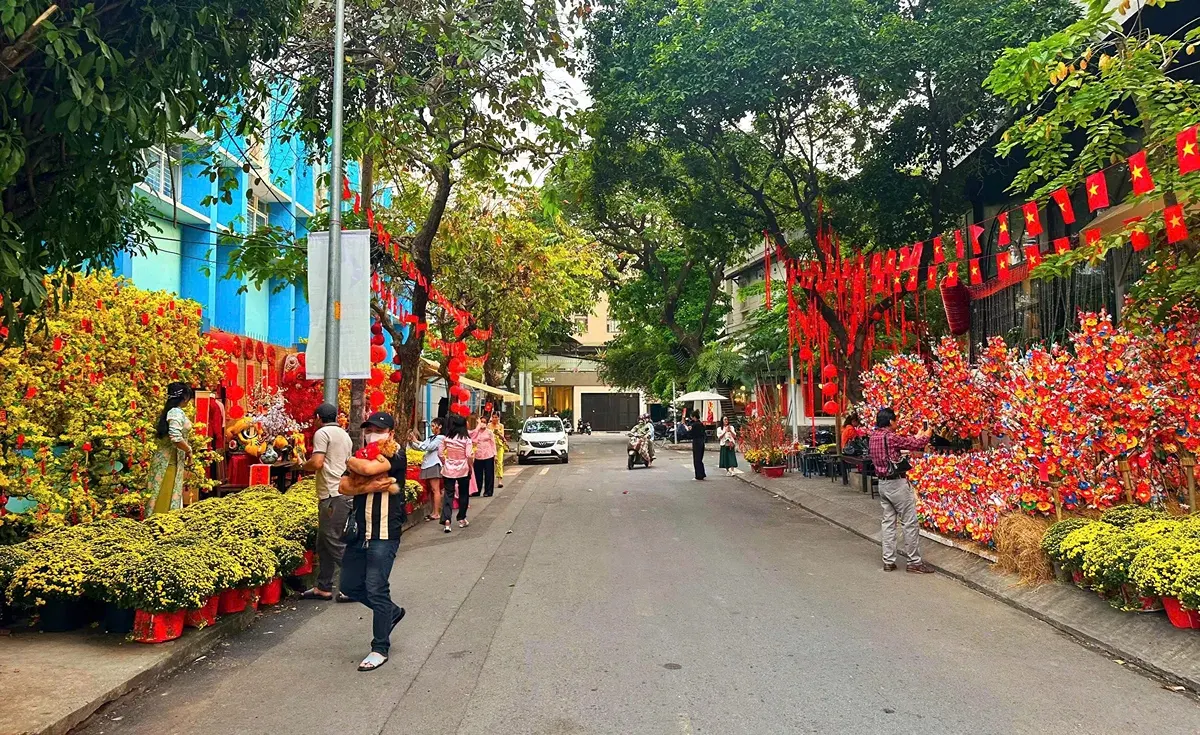
Vibrant street decorations and blossom markets in Vietnam leading up to Tet (Source: Thanh Nien Newspaper)
Once Tet begins, many small restaurants, family-run shops and local markets may close for several days or operate on shorter schedules. Streets can also become quieter as people leave major cities to visit their families.
Vietnam does not completely shut down during Tet. Hotels, airports, major attractions and many tourism services continue to operate, particularly in larger cities and established tourist areas. The main difference is that travelers have fewer spontaneous options than during a normal week.
Check the Tet dates before you visit Vietnam in January
Tet follows the lunar calendar, so the date changes every year and does not always fall in January. In some years, Tet comes in late January, while in others, the main holiday takes place in February.
Checking the exact Tet dates for the year of travel is important before booking flights, hotels and your itinerary. The holiday can affect transport, accommodation availability, restaurant opening hours and tour schedules, especially during the main celebration.
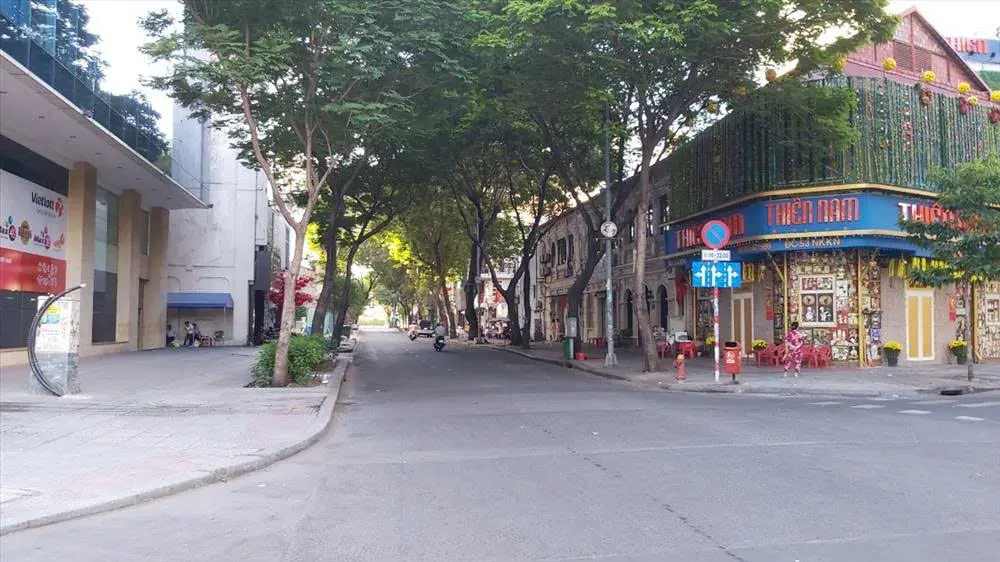
Quiet and empty city streets during the traditional Tet holiday in Vietnam (Source: Lao Dong Newspaper)
For the pre-Tet atmosphere, the best time is usually the days leading up to the main holiday. This is when flower markets, New Year decorations and shopping are already in full swing, while most businesses and tourist services are still operating normally.
Read more: Best Time to Visit Vietnam: A Month-by-Month Guide by Region
January has some experiences you will not get at other times of year
A January trip to Vietnam is not just about cooler weather in the north. The winter season also brings a few sights that are difficult to experience at other times of year, especially in the northern mountains. From white plum blossoms in Moc Chau to heavy mountain fog and occasional frost or snow, these experiences can make a January trip feel very different from visiting later in the year.
White plum blossoms across Moc Chau
Moc Chau is known for its plum-growing valleys, and January is when the first large areas of plum trees can begin to flower. The small white blossoms appear close together on the branches, and when thousands of trees bloom at the same time, entire hillsides and valleys can look covered in white. Unlike a single flower garden, the experience comes from seeing the blossoms spread across the surrounding countryside, with small roads, farms and mountain slopes running through the flower fields.
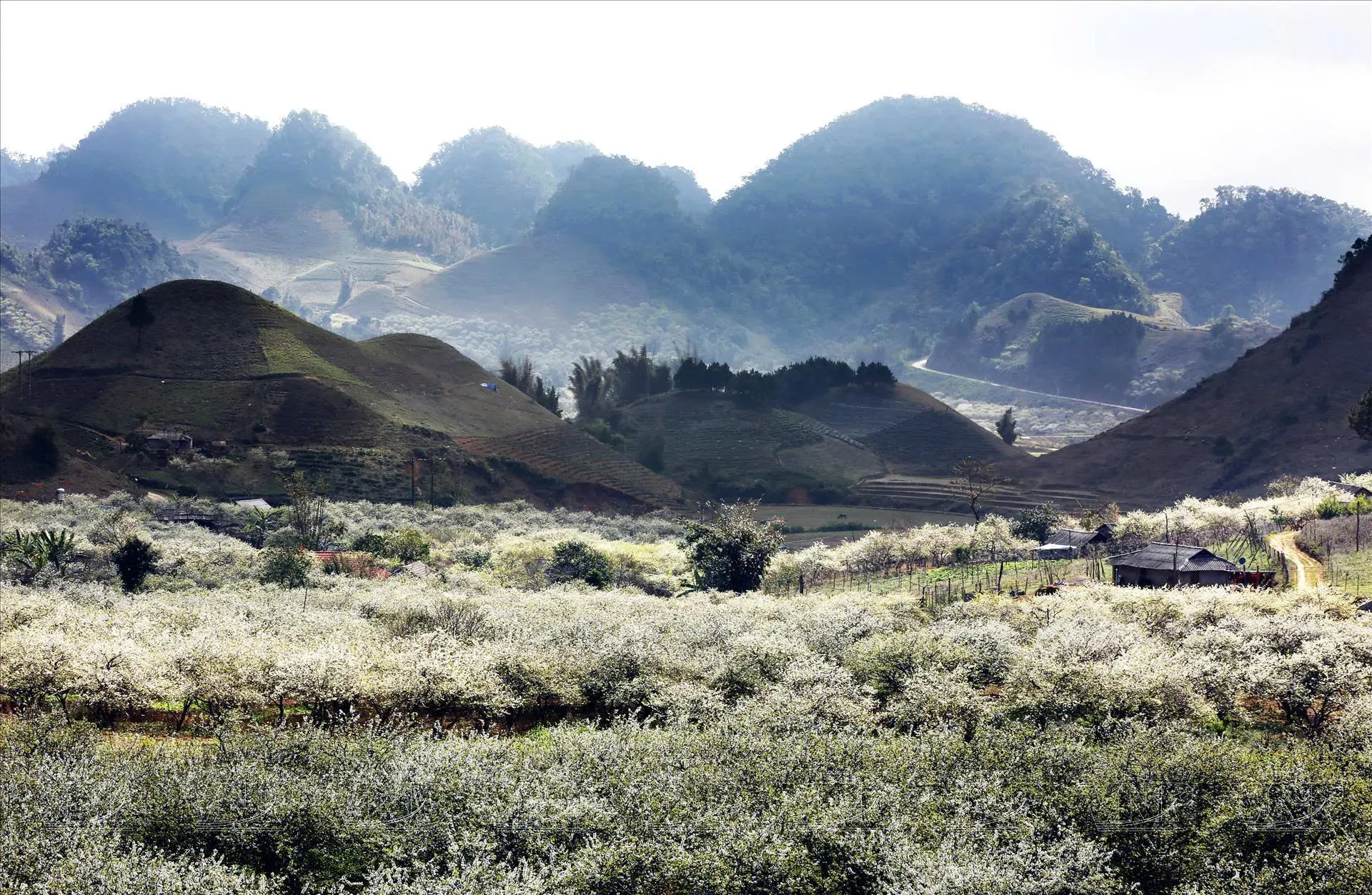 White plum blossoms covering the valleys of Moc Chau in early spring (Source: TTXVN)
The timing is not exactly the same every year because it depends on temperature and weather conditions. A warmer winter can make the flowers appear earlier, while colder weather can delay the peak bloom. For the best chance of seeing the valleys at their whitest, it is worth checking recent local updates before traveling rather than relying only on a fixed calendar date.
Fog, frost and rare snowfall in the high mountains
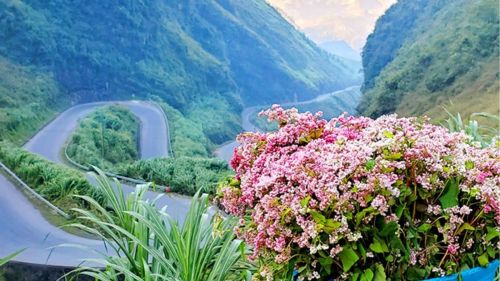
Cold air creates a very different landscape in the northern mountains during January. In places such as Sapa and Ha Giang, early mornings can be covered in thick fog, with clouds sitting low over valleys and mountain passes. On some days, the mist is so dense that nearby slopes and villages become difficult to see, while on clearer days it can lift later in the morning to reveal the mountains underneath.
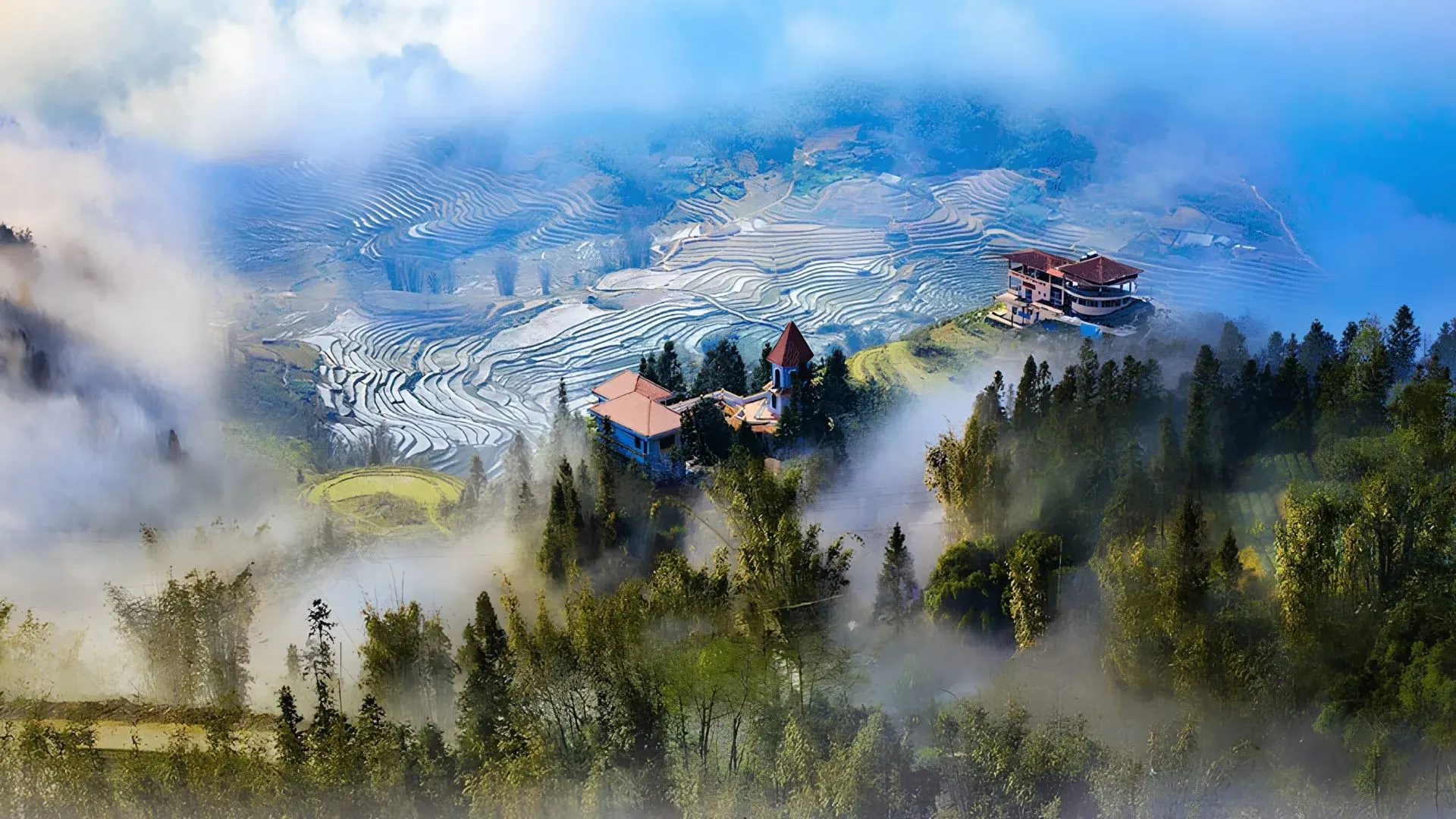
Frost and mist blanketing the high mountain peaks in northern Vietnam during winter (Source: VNAT)
At higher elevations, temperatures can fall low enough for frost to form on plants, rooftops and exposed surfaces. Snow is much rarer and cannot be guaranteed, but strong cold spells can occasionally bring snowfall to Vietnam's highest mountain areas. This makes winter mountain travel more unpredictable, but also gives a visit to Vietnam in January a seasonal character that is difficult to experience during the warmer months.
Where should you go if January is your only chance to visit Vietnam?
For a visit to Vietnam in January, the best destination depends largely on the type of trip you want. Hanoi and Ninh Binh are a good introduction to the north, the highlands suit travelers looking for mountain scenery, central Vietnam is stronger for heritage, and the south is the clearest choice for warmth and beaches.
Start where Vietnam’s culture and landscapes meet
Hanoi and Ninh Binh make a strong combination for first-time visitors who want to experience both city life and the countryside. Hanoi brings the Old Quarter, historic sites, museums and some of Vietnam’s best-known street food, while Ninh Binh changes the setting to limestone mountains, rivers, rice fields and rural villages.
The two destinations are also easy to combine without spending too much time on transport. January's cooler conditions are suitable for walking around Hanoi and exploring Ninh Binh by boat or bicycle. Northern winter weather can bring cloudy or misty days, though, so mountain views may not always be as clear as they are later in the year.
Go deeper into Vietnam’s mountains
For a more adventurous January trip, head further into the northern highlands. Sapa, Ha Giang and Moc Chau each offer a different experience, from trekking and mountain villages to winding road journeys and seasonal plum blossoms. The scenery is at its most atmospheric when mist settles over the valleys and mountains.
January is also when the cold becomes part of the experience. Higher areas can be much colder than Hanoi, with fog and frost possible during cold spells. Snow can occasionally appear at the highest elevations, but it is rare and should not be expected. Travelers choosing this region should also allow some flexibility, as fog or poor visibility can affect trekking and road trips.
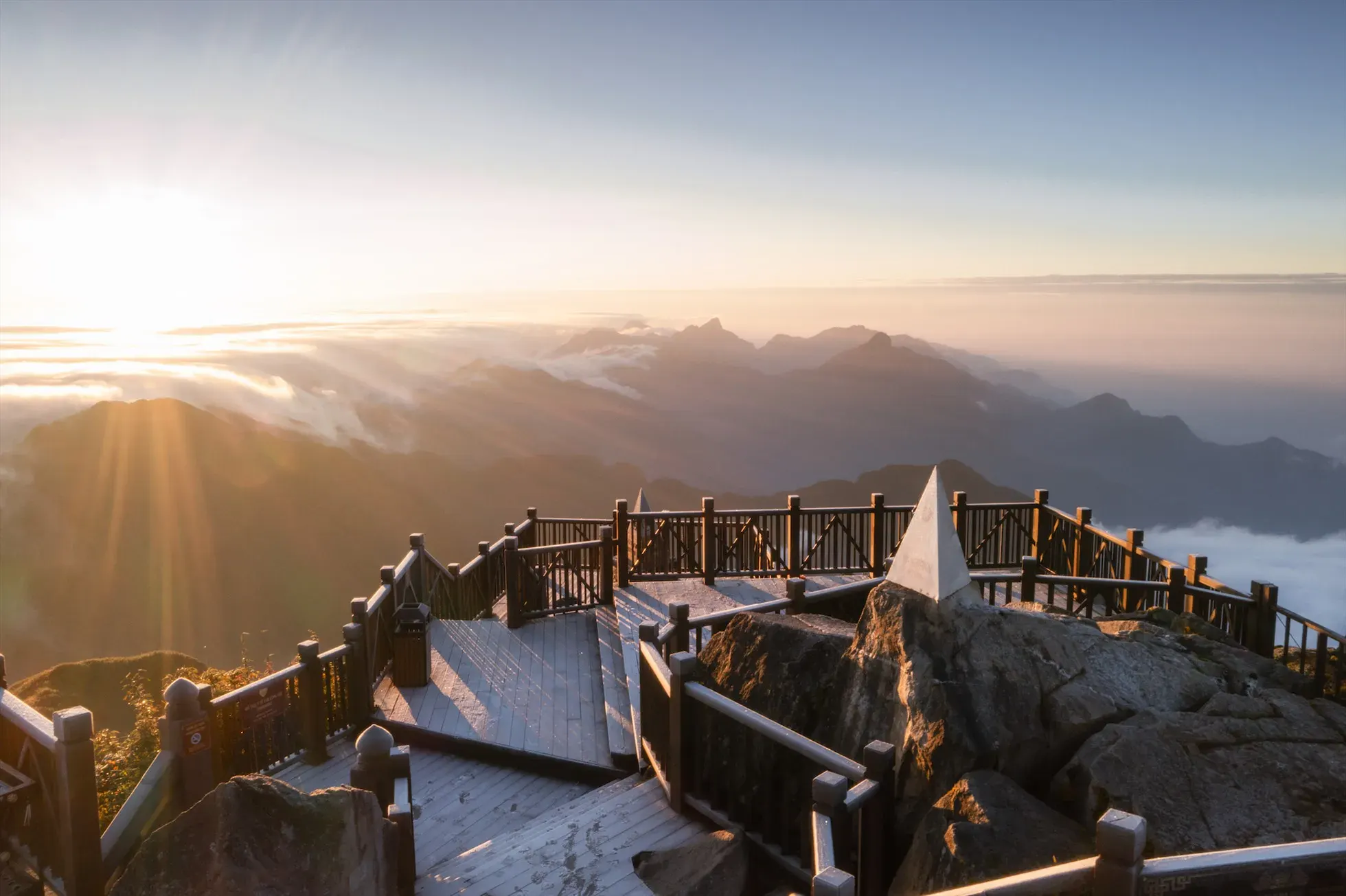 Panoramic sunrise view above the sea of clouds from a high mountain peak in Fansipan (Source: Lao Dong Newspaper)
Slow down among old towns, temples and local food
Hue and Hoi An are a better match for travelers who want to focus on heritage, architecture and food rather than long outdoor days. Hue is known for its Imperial City, royal tombs and distinctive dishes, while Hoi An has a compact historic center that is easy to explore on foot, with old houses, markets, riverside streets and restaurants.
The main drawback is the weather. Central Vietnam can still experience rain and cloudy periods in January, so this is not the most reliable region for a beach holiday. For cultural trips, though, the weather can be manageable, and dry days are comfortable for walking between historic sites, cafés and restaurants.
Follow the sunshine south
Southern Vietnam is the clearest choice for travelers who want warmth in January. Ho Chi Minh City combines museums, markets and street food with a lively urban atmosphere, while the Mekong Delta brings a slower pace with waterways, orchards and boat trips. Phu Quoc can be added when beaches and downtime are a priority.
The south is particularly convenient because January is generally warm and relatively dry, making outdoor activities easier to arrange. A shorter trip can combine Ho Chi Minh City with the Mekong Delta, while travelers with more time can continue to Phu Quoc for several days by the sea. This route also works well for anyone who would rather avoid the cold and fog that can occur in northern Vietnam at the same time of year.
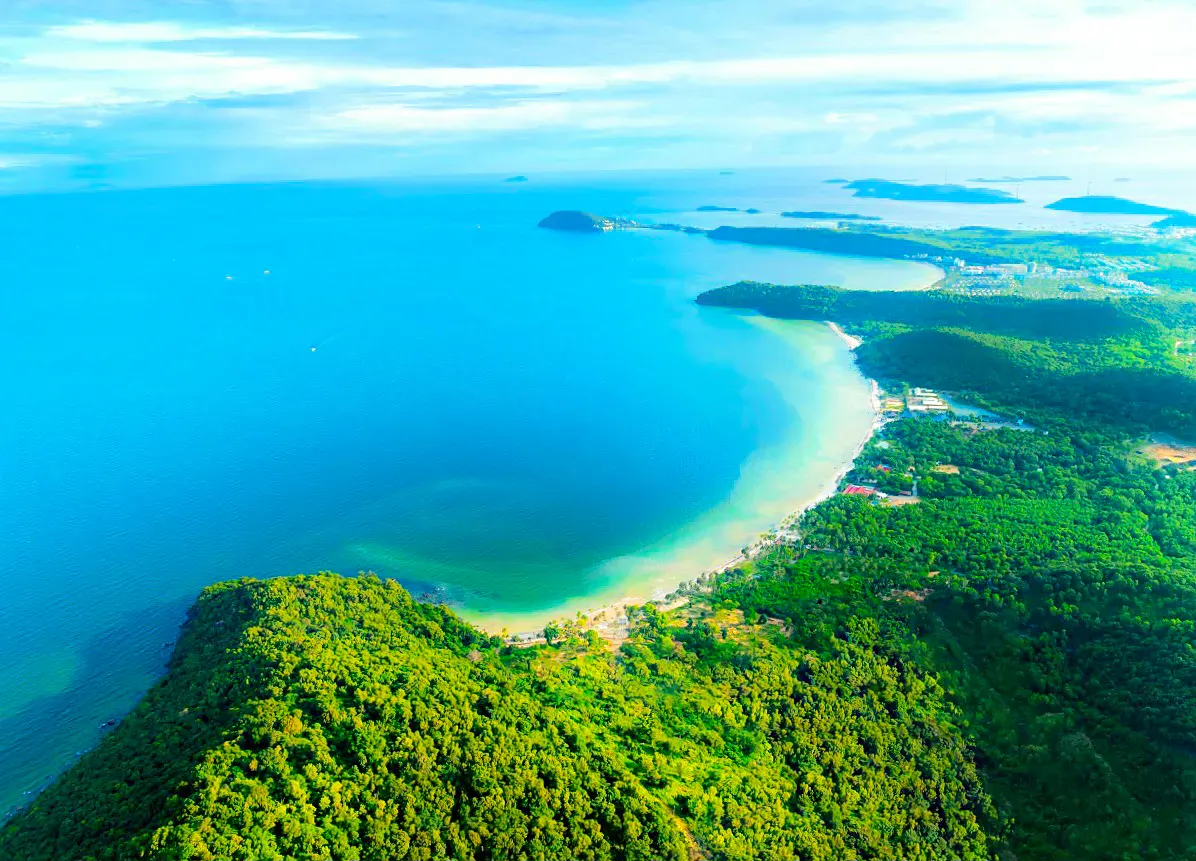 Lush green coastline and turquoise sea surrounding Phu Quoc Island (Source: Bao Tin Tuc)
Read more: Ho Chi Minh City to Mekong Delta Distance: Transport & Travel Time
What could make a January trip less convenient?
January is a good month to visit Vietnam, but the trip is not equally easy everywhere. Cold weather in the north, rain in the center, Tet closures and the need to pack for different climates can all affect your plans. Knowing these differences in advance makes it easier to choose the right route and avoid unnecessary changes during the trip.
The weather can change your plans
Vietnam does not have one consistent climate in January. The north can feel cold and foggy, especially in the mountains, while central areas can still have periods of rain. The south is warmer and generally more suitable for outdoor activities, so the experience can change quite a lot as you travel between regions.
This matters most when combining several parts of the country in one trip. A route may start with jackets and cloudy mornings in the north before becoming much warmer further south, while central Vietnam can bring less predictable conditions. It is better to prepare for these differences rather than expect the same weather throughout the trip.
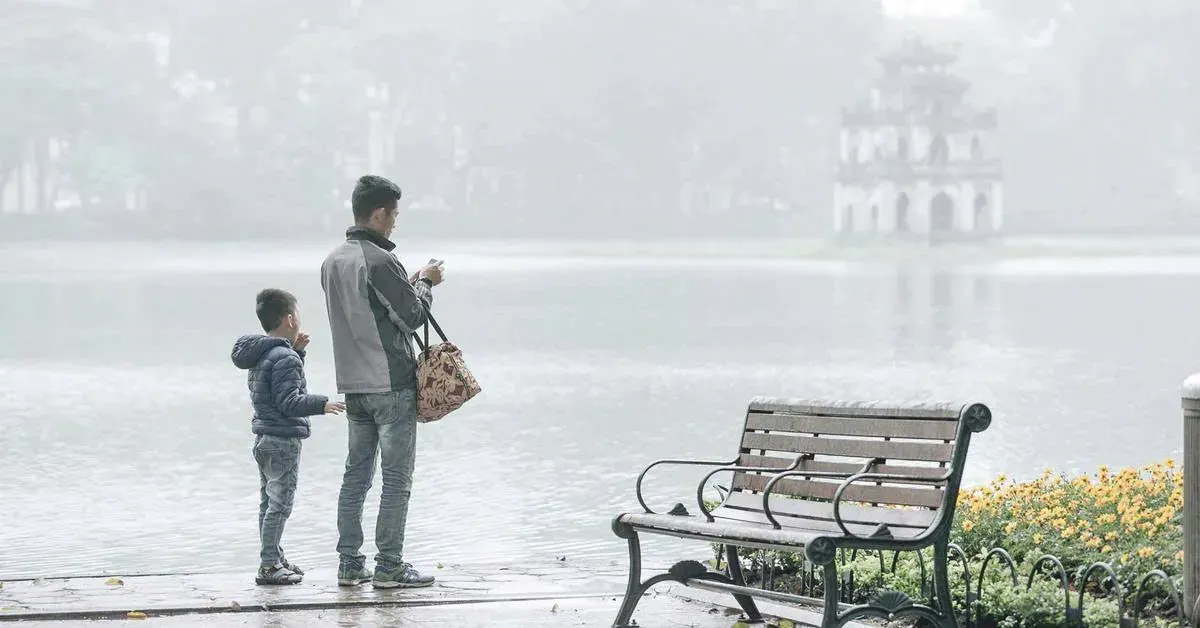 A serene, foggy winter morning at Hoan Kiem Lake in Hanoi (Source: CafeF)
Tet can affect opening hours and transport
When Tet falls during your trip, some restaurants, small shops and markets may close for several days or operate with shorter hours. Tourist areas and larger businesses usually have more options, but the range of places available can still be more limited than during a normal week.
Travel can also become busier around the holiday, particularly on domestic trains and flights as people return to their hometowns. Some tour operators may reduce departures or take a short break as well, so important transport and activities are better arranged in advance when your dates overlap with Tet.
One suitcase may need to cover several climates
A multi-region January trip can mean packing for very different temperatures. Northern destinations may require a jacket and warm layers, central Vietnam is better covered with light layers and a rain jacket, while T-shirts and lightweight clothes are usually enough in the south.
Comfortable shoes are useful throughout the trip, especially when the itinerary includes walking-heavy cities, old towns, countryside areas or mountain routes. One versatile pair that can handle long walks and occasional wet conditions is often more practical than bringing several pairs.
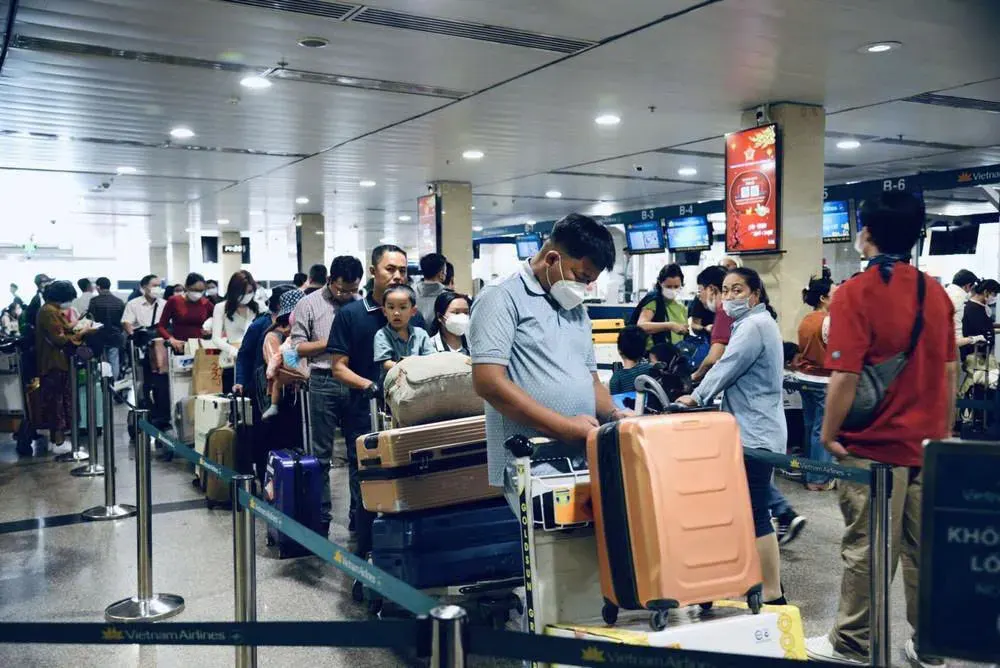
Travelers with luggage waiting in line at the airport check-in area during peak holiday travel (Source: Vietnamplus)
Read more: Discover Hanoi Old Quarter – 36 Streets, Food & Culture Guide
Before you book your January trip
A few decisions can make a visit to Vietnam in January much easier. Check the Tet dates, decide whether you want the holiday atmosphere, choose your region based on the weather you prefer, and book the parts of the journey that are hardest to replace.
Decide whether you want Tet or convenience
When considering Vietnam in January, Tet can add a cultural experience that is difficult to find at another time, but it also means accepting a less predictable travel schedule. The choice largely depends on whether experiencing the holiday is more important than having every service operate normally.
|
Choose Tet |
Travel outside Tet |
|
Want to experience Vietnamese New Year traditions |
Want restaurants and shops to operate normally |
|
Interested in the festive atmosphere and decorations |
Prefer easier domestic travel |
|
Do not mind some businesses closing |
Want a more predictable itinerary |
|
Can stay flexible with your schedule |
Do not want holiday closures to affect your plan |
Book the parts of your trip that are hardest to replace
Not every part of a January trip to Vietnam needs to be booked far ahead. Prioritize international and domestic flights, hotels during Tet, long-distance trains and popular tours with fixed departure dates.
The same applies to experiences that have limited availability, such as cruises and popular multi-day routes. Once these are secured, the rest of the itinerary is easier to arrange around them.
Once you know which part of Vietnam fits your January travel plans, Sinh Cafe can help with tours, transport and multi-day routes across the country. Browse our Vietnam tours and travel services to find an itinerary that fits your dates and preferred travel style.
FAQs
Is January a good month for a beach holiday in Vietnam?
→ Yes. Phu Quoc and southern Vietnam are the best choices for warm beach weather.
Can I travel to Vietnam during Tet?
→ Yes. Hotels, airports and many tourist services remain open, although some businesses may close temporarily.
How many days do I need for a trip to Vietnam in January?
→ Around 7–10 days is enough for one or two regions. Two weeks or more allows you to see more of the country.
Is Vietnam crowded in January?
→ Popular destinations can be busy, especially around Tet. Other areas are usually less crowded.
What should I book first for a January trip?
→ Book flights and hotels first, followed by popular cruises, trains and fixed-date tours.
Is January good for a first trip to Vietnam?
→ Yes. You can choose between the cool north, cultural central Vietnam and warm southern destinations.
Share via




Related articles
What First Time Southeast Asian Travelers Should Know Before Visiting Vietnam
Posts | 11/06/2026
Co Tien Mountain: A Scenic Hike with Stunning Views in Nha Trang
Blog | 24/03/2026
Best Ha Long bay restaurant guide: Top places to eat in Ha Long Bay
Posts | 25/03/2026

Do Theatre: A unique Cultural Show bringing Vietnamese Art to the World
Blog | 25/03/2026



There are no reviews yet